334-page digital textbook
In-depth explanations of aviation concepts, systems, regulations, and procedures, organized chapter by chapter around the ACS.
A complete private pilot checkride textbook, built on the FAA ACS. A 334-page textbook, 500+ flashcards, and practice checkride questions that take you from memorizing to understanding.

Phase 1 · Section 1
Regulations flashcards
Documents required to act as PIC
Tap the card to flip it
A comprehensive private pilot checkride study resource built around the FAA ACS, with chapter-by-chapter explanations, flashcards, and practice oral exam questions.
In-depth explanations of aviation concepts, systems, regulations, and procedures, organized chapter by chapter around the ACS.
Review key terms and lock in what you learned through active recall, chapter by chapter.
Practice explaining concepts and applying them to the scenarios an examiner uses on the oral exam.
Flashcards help you memorize. The checkride asks you to understand and connect. Here is what a complete system adds.
| What you get | Flashcards alone | Checkride Study |
|---|---|---|
| Flashcards for active recall | Included | Included |
| Chapter-by-chapter textbook explanations | Not included | Included |
| Practice oral exam questions and scenarios | Not included | Included |
| Structured on the four FAA levels of learning | Not included | Included |
| Written by a CFII / MEI | Not included | Included |
The FAA Aviation Instructor's Handbook describes four levels of learning. Most study resources are topic after topic of facts to memorize. Checkride Study is structured to move you through all four levels, because the checkride is one big scenario.
Repeating facts from memory. Where most checkride prep stops.
Knowing why each fact is true.
Using what you know to solve real problems.
Connecting topics to handle any scenario. What the checkride tests.
The private pilot checkride is the FAA practical test for your certificate. An examiner, usually a designated pilot examiner (DPE), evaluates you against the Private Pilot for Airplane Category Airman Certification Standards, FAA-S-ACS-6C, effective May 31, 2024. It has a ground portion, often called the oral exam, and a flight portion.
Every task in the ACS covers three elements:
Six steps that take you from your first study session to walking into your checkride prepared.
The ACS is the FAA document the examiner uses to run your checkride. Every topic you study should map back to it.
Study in a set order instead of jumping between topics. A daily plan removes the guesswork and the stress.
Examiners ask follow-up questions. Understanding why a rule or procedure exists lets you answer them.
Quiz yourself with flashcards and answer before you look. Rereading feels productive but builds weaker memory.
Explain answers as if you are talking to your examiner, and practice scenario questions that connect several topics.
A full mock oral and flight shows you what still needs work while there is time to fix it.
Focused guides for each major checkride topic, organized around the ACS.
Lessons from the Checkride Study YouTube channel.


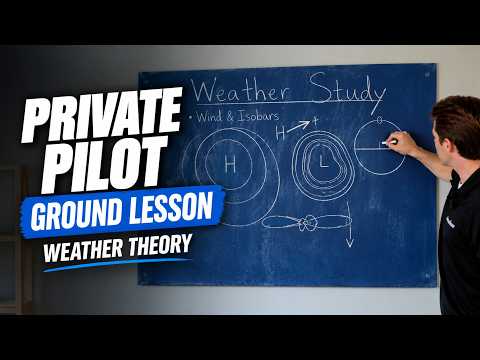
Checkride Study was created by Certified Flight Instructor and Multi-Engine Instructor Joeseph Beckmann to help student pilots understand the material behind their checkride through structured study resources, including The Private Pilot Checkride Textbook.
Every study resource is designed to bring structure to your preparation, explain the reasoning behind aviation concepts, and help you practice answering the kinds of questions that require you to think like a pilot.

Reviews
[REAL STUDENT REVIEW 1]
[FIRST NAME, CERTIFICATE EARNED]
[REAL STUDENT REVIEW 2]
[FIRST NAME, CERTIFICATE EARNED]
[REAL STUDENT REVIEW 3]
[FIRST NAME, CERTIFICATE EARNED]
Checkride study prep is how you get ready for the FAA practical test, the checkride. It means studying the knowledge, risk management, and scenarios in the Airman Certification Standards (ACS) so you can explain them to an examiner and apply them in the airplane.
The checkride is the practical test for your private pilot certificate. An examiner, usually a designated pilot examiner (DPE), evaluates you against the Private Pilot for Airplane Category ACS. It includes a ground portion, often called the oral exam, and a flight portion in the airplane.
Start with the Private Pilot ACS, follow a structured plan, learn why each topic matters, use active recall with flashcards, practice answering oral exam questions out loud, and complete a mock checkride with a CFI before the real test.
It is designed to confirm you can operate safely as pilot in command, so it is thorough. Applicants who understand the material and can connect topics in a scenario, instead of reciting memorized answers, are the best prepared.
There is no set number of days. How long you need depends on where you are in training and how often you study. Your flight instructor can help you decide when to start.
Your examiner will confirm the exact list. It typically includes government-issued photo ID, your student pilot and medical certificates, your airman knowledge test report, your logbook with the required endorsements, and the aircraft documents and maintenance records.
Yes. Every resource is built around the FAA Private Pilot ACS, and the system is organized using the levels of learning from the FAA Aviation Instructor's Handbook. It supports your training with your CFI. It does not replace it.
Part 61 student pilots who want structure when studying. If you have ever opened a textbook and felt lost about what to study next or what actually matters, it was built for you.
Everything to organize before your examiner sees your paperwork, plus a weekly checkride study tip.
Always know what to study next, and walk in prepared.